
From Search to Conversation
For years, websites were designed around a single goal: ranking on Google. SEO shaped how businesses wrote content, structured pages, and pulled in customers.
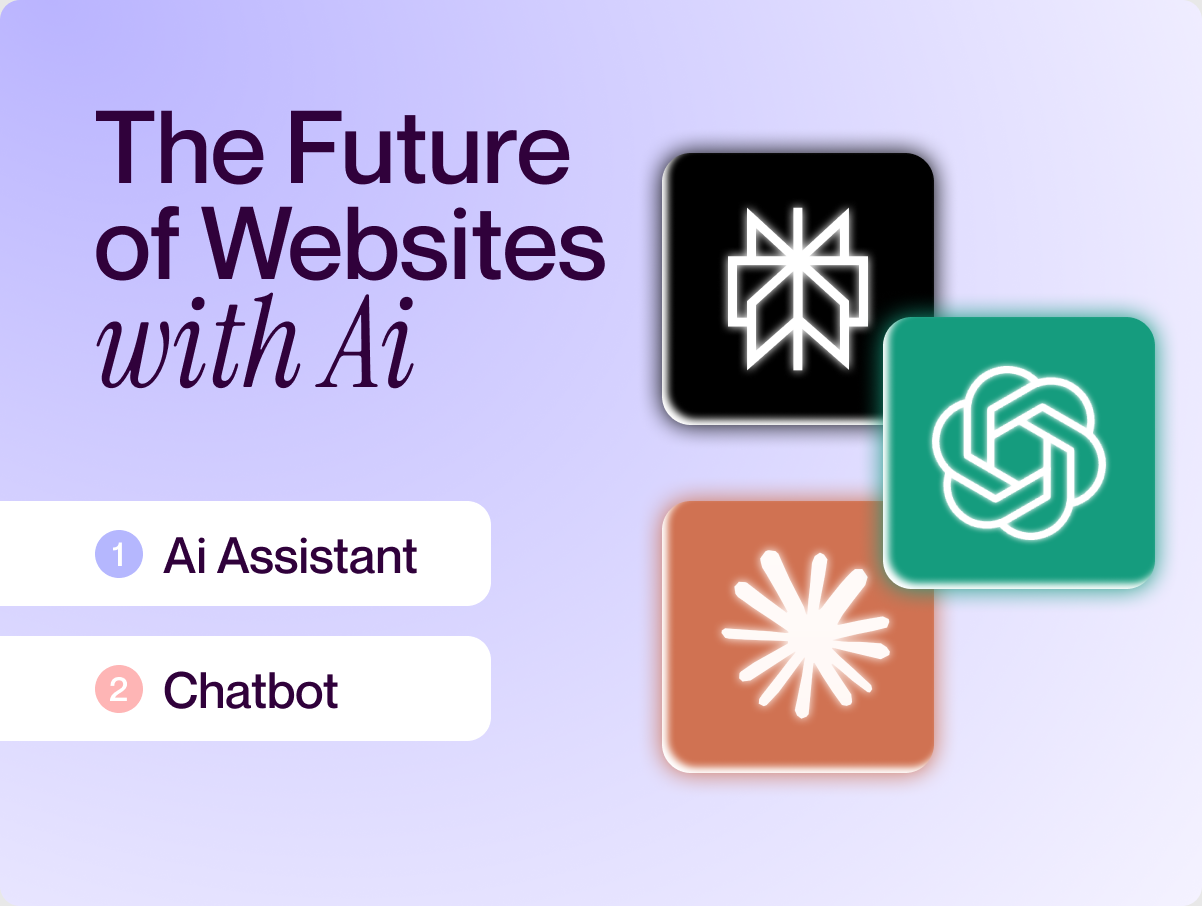
But today, more users are skipping search engines entirely. They ask questions to AI assistants like ChatGPT, Perplexity, or Google Gemini. They interact with service bots instead of clicking through menus. In this new landscape, simply building a site and optimizing for SEO no longer guarantees visibility.
Why Websites Still Matter
Even in an AI-first world, websites remain essential. Users still check a brand’s site before trusting it, because it represents credibility. Businesses still own their websites outright, unlike social platforms or AI intermediaries. And most importantly, conversions still happen most reliably on owned digital spaces.
The website is not dying. It is evolving.
AI Assistants as the New Middle Layer
AI tools are becoming the middle layer between users and websites. Instead of opening multiple tabs, people now ask questions and expect summarized answers. A freelancer might ask which SaaS tool is best for invoicing. A shopper might want to know which skincare brand delivers to Dubai. The assistant provides the answer by pulling from multiple sources. That means websites are no longer competing only for search rankings. They are competing to be referenced and trusted by AI systems.
How Websites Must Adapt
To remain discoverable, websites must adapt to this new environment. Clear, structured data gives AI the information it needs to understand and cite a brand’s content. Conversational, natural writing performs better than keyword-heavy text. Trust and authority are now central, which means publishing consistent insights is more valuable than chasing traffic hacks. And because AI-driven visibility can still lead users to your site, the experience they find must be fast, modern, and reassuring.
Chatbots as Core Website Features
AI assistants are changing how users find websites, and chatbots are changing how they interact with them. Modern websites are no longer static brochures. They are interactive platforms where conversations happen in real time. A well-designed chatbot can answer questions instantly, guide new users through onboarding, and even connect directly to CRM tools that turn chats into leads. What once felt like an add-on is now becoming the centerpiece of digital engagement.
Why This Matters for Startups
For startups and scale-ups, this shift is both a challenge and an opportunity. The challenge is that visibility now depends on being AI-ready, not just SEO-optimized. The opportunity is that younger companies can adapt faster than established players weighed down by outdated systems. Agility matters more than size, and brands that embrace this new reality can leap ahead of competitors who are still operating in yesterday’s search-first mindset.
The LDS Approach
At Leen Design Studio, we are already designing websites for this AI-driven future. Our focus is on building lean, AI-friendly content frameworks that are easy for assistants to understand and reference. We design chatbot-ready interfaces that feel natural, not robotic, and we build with speed and scalability in mind so that startups can launch quickly without digital bloat. We believe the websites of tomorrow will not be larger or more complicated. They will be smarter, faster, and designed to connect seamlessly with the way people now search and interact.
Evolution, Not Extinction
AI assistants and chatbots will not make websites obsolete. They are simply changing their role. Instead of being the only destination, the website is becoming the trusted hub that AI tools rely on for answers. Businesses that recognize this shift and adapt will remain visible and relevant. Those that fail to evolve risk disappearing in a world where conversations replace clicks.
Minimal processes, maximum output. That is how we see the future of websites.
_
Links:
Linkedin | https://www.linkedin.com/company/leendesignstudio
Instagram | https://www.instagram.com/
Website | https://leendesignstudio.com/
Facebook | https://www.facebook.com/LeenDesignStudio/
Email | hello@leendesignstudio.com
Contact | +1 (202) 550 4844