
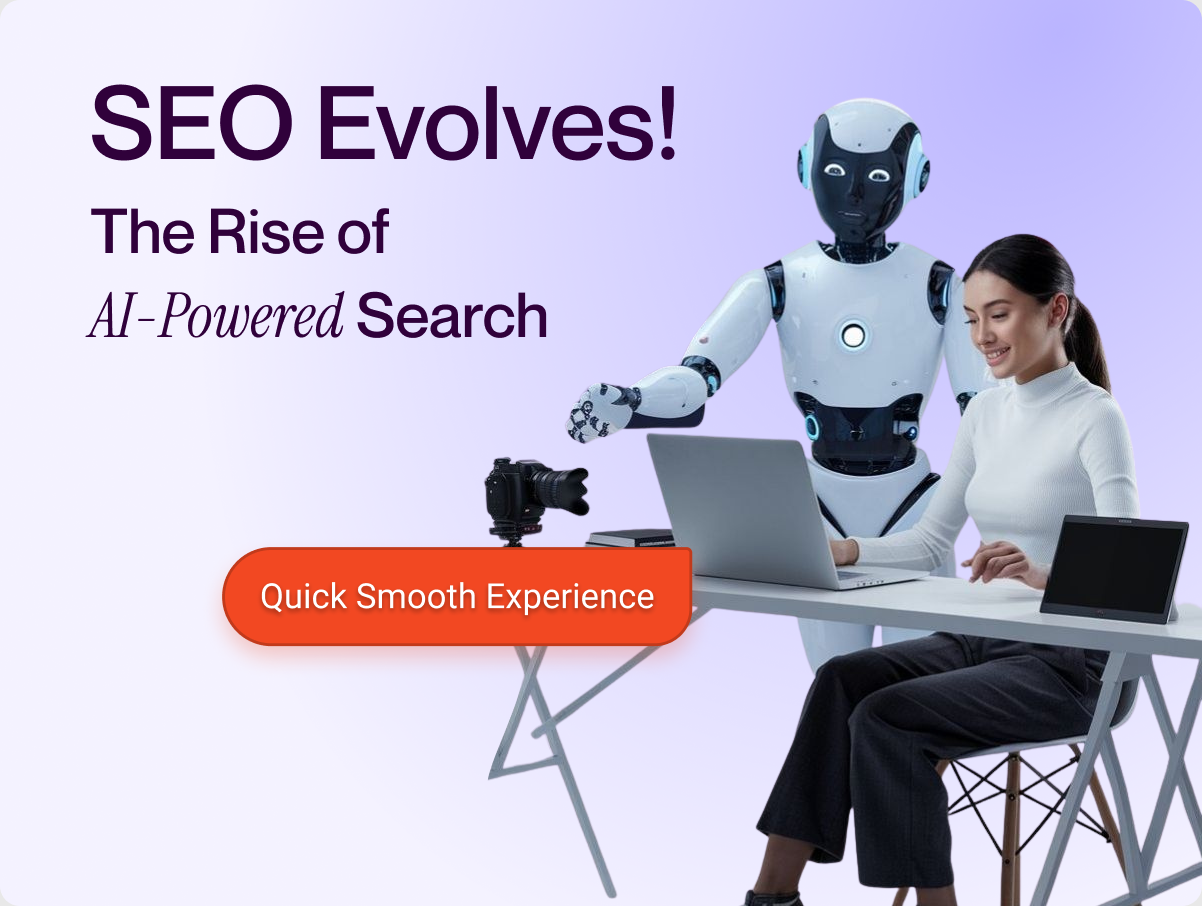
For years, Search Engine Optimization (SEO) has been about keywords, backlinks, and ranking on Google’s first page. But the landscape is shifting and fast. The rise of AI-powered search engines and large language models (LLMs) like ChatGPT, Perplexity, and Google’s own Search Generative Experience (SGE) are rewriting the rules.
For today’s brands, the real question goes beyond simply ranking on Google. It’s “How do I stay discoverable in an AI-driven world where search engines think more like humans?”
The AI Disruption in Search
Traditional SEO worked on algorithms built around exact keyword matches and link authority. AI search engines, however, focus on context, intent, and natural language understanding. Instead of typing “best running shoes lightweight,” users can now ask: “What are the best running shoes for marathon training if I have flat feet?
AI doesn’t just return blue links it summarizes, recommends, and even compares products directly in the results. That means the old strategy of “stuff keywords and wait for clicks” no longer guarantees visibility.
Why Brands Can’t Afford to Ignore This Shift
In AI-driven search, the winners will be those who invest in quality, authority, and clarity. If your content feels robotic, outdated, or shallow, AI will skip it. If your brand communicates expertise and trustworthiness, AI engines are more likely to feature it in their responses.
This means SEO is evolving from a technical checklist to a brand-building exercise. Your reputation, credibility, and ability to answer nuanced questions now matter as much as your keyword density.
Trust in AI-Driven Results
When AI-powered search platforms analyze a query such as “unique family-friendly stays in Italy with a pool,” certain brands consistently appear at the top of recommendations. Why?
- Experience-Driven Content – They highlight stories and customer experiences rather than relying solely on listings or features.
- Structured Data & Reviews – By leveraging clear metadata and authentic customer reviews, they provide signals that AI platforms interpret as credible.
- Brand Authority – Their brand identity is strong enough that AI models recognize and prioritize them as a trustworthy source.
The lesson for startups and businesses is straightforward: success in AI-driven search comes from more than keywords. The more human, reliable, and comprehensive your content, the more likely AI will surface it when it matters most.
What Businesses Should Do Now
- Write for people, not bots. AI understands natural language, so craft content that answers real questions conversationally.
- Show authority. Use case studies, expert quotes, and data to back your claims.
- Diversify formats. Video transcripts, podcasts, and blogs all feed into AI’s training data.
- Focus on brand reputation. In an AI-driven search world, being trusted may matter more than ranking.
The Bigger Picture
AI-powered search is not the end of SEO, it’s evolution. The brands that adapt will find themselves not just on page one, but inside the answers that AI delivers directly to consumers.
At Leen Design Studio, we believe the future of SEO is about blending strategic design, storytelling, and AI-readiness. Brands that act now won’t just survive the shift, they’ll define it.
Links:
Linkedin | https://www.linkedin.com/company/leendesignstudio
Instagram | https://www.instagram.com/
Website | https://leendesignstudio.com/
Facebook | https://www.facebook.com/LeenDesignStudio/
Email | hello@leendesignstudio.com
Contact | +1 (202) 550 4844